You can count on Consumer Reports RV ratings for a helpful starting point since they focus on safety, reliability, and performance using surveys and expert input.
These ratings give you a solid overview based on a mix of consumer feedback and professional analysis.
However, they rely heavily on manufacturer data and don’t include hands-on inspections, so some real-world issues might be missed.
That means you could overlook certain problems that only show up after actual use.
Their ratings also don’t always reflect regional differences or detailed build quality.
So, if you want a clearer picture before buying, it’s smart to explore how these ratings work and why combining sources matters.
Doing your homework with multiple sources can really pay off when choosing the right RV.
Key Takeaways
- Consumer Reports RV ratings rely heavily on manufacturer data and owner surveys rather than independent, hands-on RV inspections. This means they gather a lot of information from people who own the RVs and the companies that make them. But they don’t usually get to test the RVs themselves.
- The ratings focus on components and related products, not entire RV models. So, they assess things like safety, reliability, and performance based on parts rather than the whole vehicle. It’s a different way to look at quality.
- Industry funding is avoided to minimize bias, ensuring ratings are independent and objective. This helps keep the reviews fair and trustworthy. No outside money influences the results.
- Ratings may miss real-world issues due to limited data and lack of regional performance considerations. Sometimes, problems that show up in specific areas or conditions aren’t captured in the ratings. So, it’s not always the full picture.
- Combining Consumer Reports with owner feedback and expert advice offers a more comprehensive understanding of RV quality. Taking multiple sources into account can help you make a smarter decision. It’s always good to get a well-rounded view.
Can You Trust Consumer Reports’ RV Ratings?
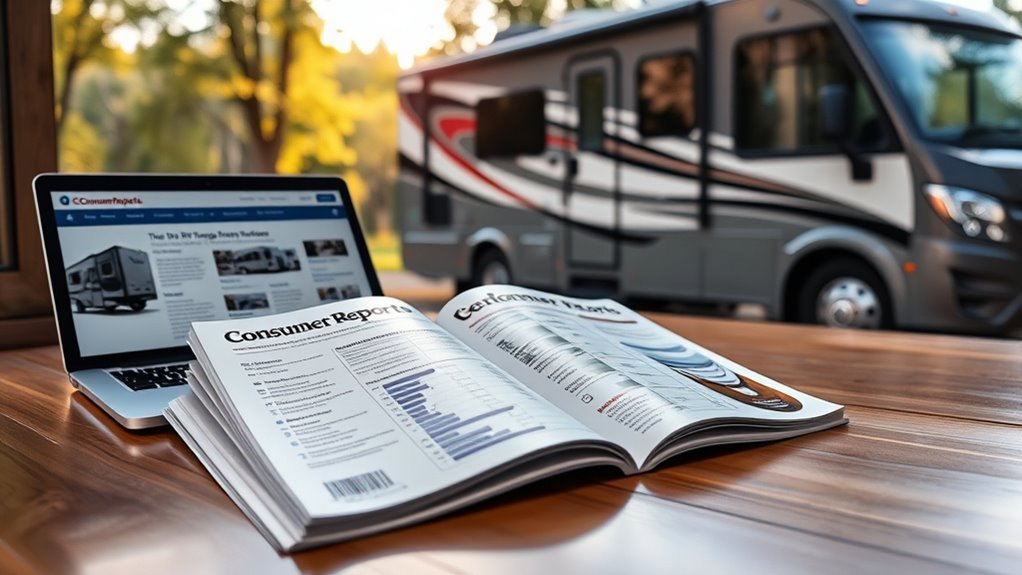
Although Consumer Reports is a trusted source for many products, you should approach their RV ratings with caution. Their assessments rely heavily on manufacturer data and owner surveys rather than independent testing, which makes it hard to fully trust their evaluation of build quality.
The RV industry often faces quality variability during production, and industry bias can influence ratings, especially when industry-funded reviews are involved. Since Consumer Reports lacks direct, hands-on inspections of RVs, their ratings might not capture real-world issues.
To get a clearer picture, you should explore owner forums and seek expert advice, which often provide honest insights about RV performance and durability. Relying solely on Consumer Reports’ RV ratings could leave you missing critical information about the product’s true quality.
How Consumer Reports Creates RV Ratings
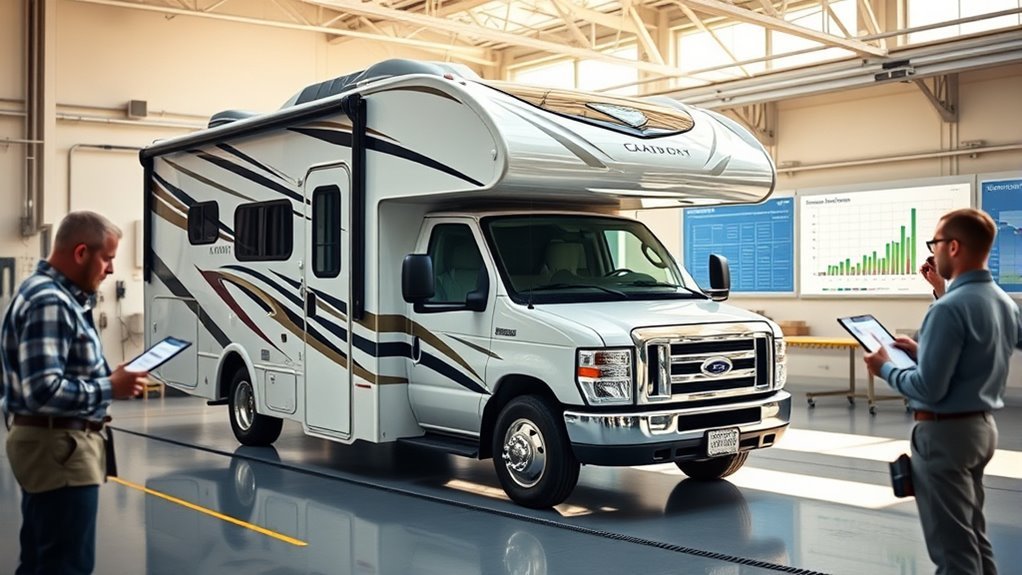
Understanding how Consumer Reports develops its RV-related ratings can help you better interpret their value and limitations. Instead of rating entire RV models, Consumer Reports focuses on components and related products through independent testing and thorough evaluations.
They gather data from owner surveys, expert reviews, and industry data to assess safety, reliability, and performance. This multi-faceted approach guarantees the ratings aren’t influenced by manufacturers or industry funding.
Why Doing Your Own Research Beats Just Trusting CR Ratings

When you’re shopping for an RV, relying solely on Consumer Reports ratings can leave you missing critical details that only firsthand research can reveal. CR ratings often depend on limited data and may be influenced by manufacturer relationships. So, independent research is essential.
By digging deeper through owner reviews and firsthand evaluations, you’ll uncover specific insights on build quality, safety concerns, and long-term durability that ratings alone don’t show. Plus, you can factor in regional differences and maintenance history, which impact your RV’s performance and lifespan.
Here’s why you should do your own research:
- Discover real user feedback beyond summary ratings
- Spot hidden safety or quality issues early
- Assess build quality variations within brands
- Consider regional factors affecting RV use
- Review detailed maintenance history from owners
Frequently Asked Questions
What RV Brands to Stay Away From?
You should steer clear of RV brands with frequent owner complaints, poor safety ratings, and numerous recalls. Avoid mass-produced or lower-priced models known for inconsistent build quality and high maintenance costs to guarantee a safer, more reliable experience.
What RV Manufacturer Has the Most Complaints?
You’ll find Forest River tops complaint charts, with over 30% of owners reporting issues. If you want fewer headaches, you might want to avoid them, as plumbing and electrical problems are common in their RVs.
Which RV Brand Has the Least Problems?
You’ll find that Airstream and Winnebago have the least problems, thanks to their strong build quality and reliability. Choosing these brands means fewer issues and more peace of mind during your RV adventures.
What Is the Highest Rated RV Manufacturer?
You won’t find a single highest-rated RV manufacturer since ratings vary by model and year. Instead, check specific models from brands like Winnebago or Tiffin, which often score well for quality and durability.
Conclusion
So, you’ll just blindly trust Consumer Reports’ RV ratings, huh? Because who needs personal experience or digging deeper when a neat little score sums up your whole adventure? Sure, their ratings are helpful, but don’t forget—you’re the one who’s actually living in that RV, not some faceless tester.
So, before you hand over your hard-earned cash, do your own homework. After all, your road trip deserves more than just a number on a page! Consumer Reports RV ratings can guide you, but combining them with your own research and personal preferences will help you find the perfect RV for your journey. Remember, understanding these ratings and exploring other factors ensures your investment matches your lifestyle and travel dreams. Don’t rely solely on ratings—make your RV choice truly yours!