To buy a new car with Consumer Reports, start by choosing the right type—whether it’s new, certified pre-owned, or used. Consider factors like price, warranty, and reliability to find what fits your needs best. Knowing these basics sets you up for a smarter purchase.
Next, get familiar with key pricing terms like MSRP and APR. Understanding these will help you negotiate better at the dealership.
You’ll want to focus on models that Consumer Reports recommends for safety and satisfaction—these picks usually offer the best value and peace of mind.
Before heading out, do your homework. Research the cars you’re interested in, set a realistic budget, and have your financing arranged.
Being prepared makes the whole process smoother and less stressful.
Finally, take advantage of Consumer Reports’ Build & Buy service. It lets you compare fair local deals so you can save thousands.
Following these steps will help you buy your car confidently and without overspending.
Key Takeaways
- Choose the right car type by comparing price, warranty, and reliability using Consumer Reports’ market and safety data. It really helps to know what you’re getting into before making a choice.
- Understand pricing terms like MSRP, APR, incentives, and down payments so you can negotiate effectively. Knowing these terms gives you an edge at the dealership.
- Select Consumer Reports recommended models with high scores in reliability, safety, and owner satisfaction. That way, you’re more likely to be happy with your purchase long-term.
- Prepare for dealership visits by researching prices, setting budgets, obtaining pre-approved financing, and checking trade-in values. Being prepared means less stress when it’s time to buy.
- Use Consumer Reports’ Build & Buy service to access upfront pricing, compare dealer offers, and save an average of $2,860. It’s a smart tool to get the best deal without the hassle.
How to Choose Between New, Certified Pre-Owned, and Used Cars
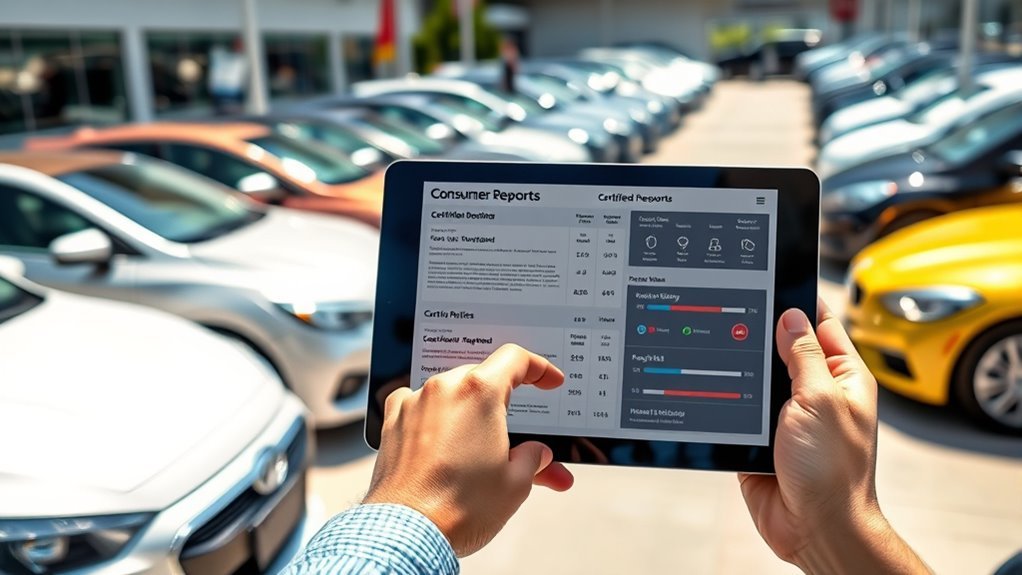
When deciding between new, certified pre-owned, and used cars, you need to weigh factors like price, warranty coverage, and reliability. A new car offers the latest features, strong safety ratings, and full warranties but comes with the highest price and financing rates around 7%.
Certified pre-owned vehicles provide a middle ground, combining lower prices with manufacturer warranties and thorough inspections that boost reliability. Used cars often cost less upfront but may lack warranties, face higher financing rates over 11%, and raise concerns about reliability and owner satisfaction.
Consumer Reports recommends considering market conditions and safety ratings carefully before making your choice. By focusing on these elements, you’ll better navigate the trade-offs and select a vehicle that fits your needs and budget.
Understand Car Pricing Terms Before You Buy

Before negotiating the deal, you should understand key car pricing terms like MSRP, APR, and residual value. Knowing these terms helps you navigate negotiations confidently and spot the best offers.
Understanding key car pricing terms empowers you to negotiate confidently and find the best deals.
The MSRP is the Manufacturer’s Suggested Retail Price, serving as a starting point. APR reflects the annual interest rate and fees in your financing. Residual value impacts lease payments by estimating the car’s worth at lease end. Additionally, incentives and rebates can lower your total cost.
Keep these pricing terms in mind:
- MSRP: Starting price for negotiations
- Incentives & Rebates: Discounts to reduce purchase price
- Down Payment: Lowers financed amount and interest costs
- Residual Value: Affects lease monthly payments
Use this buyer’s guide knowledge to make smarter financial decisions. It really makes a difference when you know what you’re talking about!
What Makes a New Car Recommended by Consumer Reports

Understanding car pricing terms sets a strong foundation, but choosing a new car also means knowing which models deliver the best overall experience. Consumer Reports recommends models with high overall scores based on reliability, owner satisfaction, safety ratings, and performance.
These recommended models undergo rigorous road testing. They evaluate acceleration, braking, handling, and fuel economy to make sure you get the best ride possible.
Safety ratings from IIHS and NHTSA play a big role in recommendations. Features like automatic emergency braking and blind spot warning are also important factors to consider.
Dependability comes from member surveys covering multiple trouble areas. Meanwhile, owner satisfaction surveys reveal whether buyers would choose the same car again.
| Factor | What It Measures | Importance |
|---|---|---|
| Reliability | Dependability over time | Ensures fewer repairs |
| Safety Ratings | Crash test and safety features | Protects you on the road |
| Owner Satisfaction | Likelihood of repeat purchase | Reflects overall happiness |
How to Prepare for Your Dealership Visit
Since buying a new car involves significant investment, you’ll want to arrive at the dealership well-prepared. Proper preparation helps you stay focused on your budget and desired features while steering negotiation and financing.
Before your dealership visit, do thorough research on upfront pricing and dealer incentives using Consumer Reports’ tools. Also, plan to compare inventory across multiple dealerships to avoid impulse decisions.
Here’s how to prepare effectively:
- Set a maximum budget and list must-have features to guide your choices.
- Obtain pre-approved financing to strengthen your negotiation position.
- Review your trade-in value and bring documentation to guarantee a fair offer.
- Use online tools for inventory comparison to explore all options before committing.
This preparation guarantees a confident, informed dealership visit. You’ll feel ready to make smart choices without any stress.
How to Save Money Using Consumer Reports’ Build & Buy Service
When you use Consumer Reports’ Build & Buy Service, you get upfront pricing on vehicles that shows what others have paid. This helps you avoid overpaying.
By sharing your vehicle preferences, you can compare prices from a dealer network of over 12,000 prescreened local dealers. This lets you see transparent buying options and receive local dealer offers before stepping into a dealership.
You can negotiate price confidently, knowing you’re getting a cost-effective purchase. On average, users save $2,860 off MSRP by avoiding inflated markups and sales tactics.
| Feature | Benefit |
|---|---|
| Upfront pricing | Avoid overpaying |
| Compare local offers | Save money |
| Dealer network access | Transparent buying |
Frequently Asked Questions
What Is the Smartest Way to Purchase a New Car?
The smartest way to buy a new car is to research prices, get preapproved financing, negotiate from the dealer’s invoice price, stay flexible on options, avoid add-ons, and time your purchase during clearance events to maximize savings.
What Is the Most Reliable Car According to Consumer Reports?
You might think the flashiest car is most reliable, but Consumer Reports says Toyota and Lexus top the list. You’ll want to look closely at their proven dependability, low repair issues, and strong owner satisfaction scores.
What Should You Never Reveal to the Dealer When Negotiating?
You should never reveal your maximum budget, trade-in details, financing plans, or that you’re comparing other dealerships. Also, keep personal financial info like your credit score and employment status to yourself to maintain negotiation power.
What Is the $3000 Rule for Cars?
Back in the days of dial-up, the $3,000 rule means you shouldn’t spend more than $3,000 on repairs in the first year after buying a used car. You’ll keep costs manageable and avoid financial headaches.
Conclusion
Buying a new car doesn’t have to feel like steering through a maze. By understanding your options and knowing the pricing lingo, you’ll be ahead of the game. Plus, using Consumer Reports’ insights gives you an even bigger advantage.
Preparing for your dealership visit is key. When you leverage the Build & Buy service, you can save both money and stress. It’s all about having a plan before you walk in.
Keep these steps in your toolkit. With Consumer Reports guiding you, you’ll cruise through the process with confidence. Follow these tips, and you’ll drive off in the perfect car without hitting any bumps along the way. Buying a new car can be simple, smart, and even enjoyable when you know what to expect.