Yes, your consumer report directly affects your credit score since it records your payment history and debts. This report is basically a snapshot of how well you manage your money and pay back what you owe.
Lenders check this info to decide if you qualify for loans or credit cards.
Errors on your report can really hurt your score and might lead to loan denials or higher interest rates. So, it’s super important to check your consumer report regularly.
When you spot mistakes, disputing them can boost your credit and improve your chances of getting better loan terms.
Keep exploring to understand how to fix these errors effectively and take control of your financial health. It’s easier than you think once you know the steps!
Key Takeaways
- Consumer reports contain detailed financial behavior that directly impacts your credit score and loan approval chances. Positive information in consumer reports boosts your credit score, while errors or negative data can lower it.
- Inaccuracies in consumer reports can unfairly damage your creditworthiness. This might lead to loan denials or higher interest rates, which nobody wants.
- Regularly reviewing and disputing errors in consumer reports helps keep your credit profile accurate. It’s a good habit to get into.
- Fixing mistakes in your consumer report can improve your credit scores. That, in turn, increases the chances of getting better loan decisions.
How Consumer Reports Affect Your Credit Score and Loan Approval

Because consumer reports contain detailed records of your financial behavior, lenders rely on them heavily to decide whether to approve your loan and what interest rate to offer. Your credit report, compiled by credit bureaus, reflects your credit history, including payments and outstanding debts.
Positive information boosts your credit score and improves your creditworthiness, increasing your chances of loan approval. On the flip side, negative info like missed payments or defaults can lower your credit score and hurt your approval odds.
Errors or fraudulent entries in your consumer reports can unfairly damage your creditworthiness, so it’s essential to monitor your reports regularly. If you spot inaccuracies, taking steps toward credit repair can help protect your credit score.
Making sure your credit report accurately reflects your financial behavior supports better loan approval outcomes. So, keeping an eye on your reports is definitely worth the effort.
How to Dispute and Fix Errors on Your Consumer Report
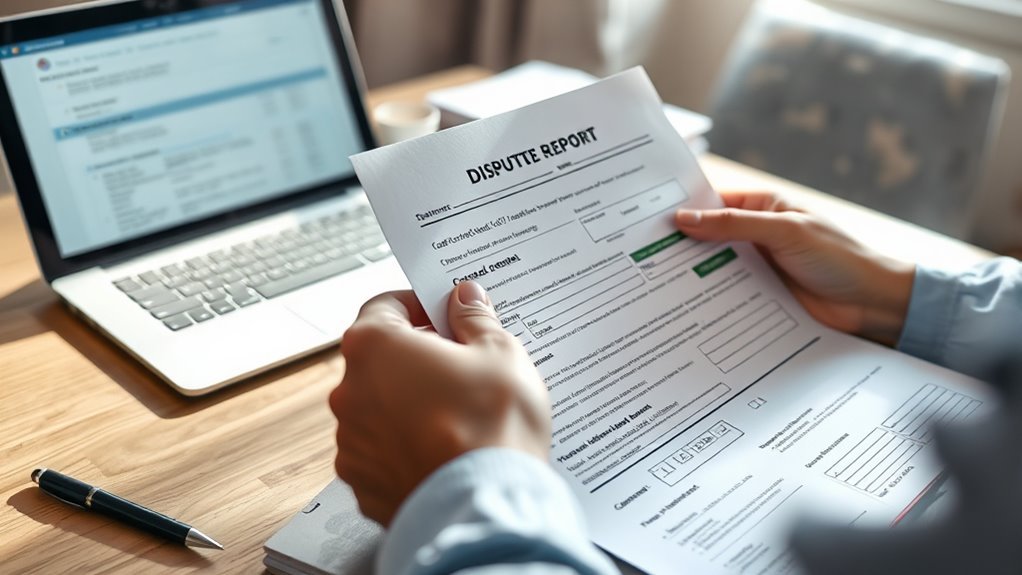
When you find errors on your consumer report, you have the right to dispute them under the Fair Credit Reporting Act (FCRA). Correcting inaccurate information can boost your credit score and protect you from wrongful denials.
You have the right to dispute errors on your consumer report and improve your credit standing.
Here’s how to dispute and fix errors effectively:
- Review your consumer report carefully and note any errors.
- File a dispute with the credit bureaus and the data provider, triggering an investigation that must finish in 30 days.
- Provide documentation to support your claim for a faster correction.
- If errors persist, escalate by filing a complaint with the CFPB.
It’s pretty straightforward once you know the steps. Just be sure to keep track of everything and follow up as needed!
Frequently Asked Questions
What Is the Biggest Killer of Credit Scores?
The biggest killer of your credit score is late or missed payments. They can drop your score considerably and stay on your report for up to seven years, making it essential you pay bills on time every month.
Can I Pull My Own Consumer Report?
Yes, you can pull your own consumer report for free once every 12 months from each major credit bureau through AnnualCreditReport.com. It’s smart to check regularly for errors or suspicious activity to protect your credit.
Is There a Difference Between a Consumer Report and a Credit Report?
Yes, there’s a difference. A credit report focuses on your financial credit history, while a consumer report includes broader info like employment and background checks. Both affect decisions but serve different purposes and contain different details about you.
What Are the Top 3 Things That Affect Your Credit Score?
The top three things that affect your credit score are your payment history, credit utilization, and length of credit history. You’ll want to pay on time, keep balances low, and maintain older accounts for the best score.
Conclusion
Now that you know how consumer reports can impact your credit, don’t let errors throw a wrench in the works. Keep a close eye on your reports, dispute any mistakes promptly, and stay proactive in managing your credit.
Remember, your credit health can make or break your financial opportunities. Treating your consumer report like gold will help you sail smoothly toward your goals.
Stay vigilant, monitor your credit regularly, and address any inaccuracies as soon as you spot them. Taking these steps ensures your consumer report accurately reflects your financial behavior, which is key to maintaining a strong credit score.
In the end, understanding how a consumer report affects your credit puts you in the driver’s seat of your financial future. So, stay on top of your credit reports, and you’ll be better equipped to seize financial opportunities and build a solid credit foundation.