You can cut plastic exposure by choosing fresh, unpackaged produce and avoiding pre-packaged or fast foods wrapped in plastic. It’s a simple switch that can make a big difference in reducing the amount of plastic you come into contact with daily. Plus, fresh foods often taste better and are healthier too.
Store and reheat food in glass, steel, or silicone containers—never plastic. These materials don’t leach harmful chemicals into your meals when heated.
Using reusable water bottles with tap water instead of bottled water is another easy way to cut down on plastic waste and exposure.
Swap plastic kitchen tools for wood or stainless steel options. They’re more durable and safer for your health.
And don’t forget to vacuum with a HEPA filter to reduce household plastic dust.
Opt for personal care products free of harmful chemicals, which often come packaged in plastic.
Keep exploring to discover even more ways to reduce plastic in your daily life. Small changes add up to a big impact!
Key Takeaways
- Choose fresh, unpackaged produce and buy in bulk using reusable cloth bags. This helps you avoid plastic packaging and chemical exposure.
- Store and reheat food in glass, stainless steel, or silicone containers instead of plastic. It’s a smart way to prevent harmful chemical leaching.
- Avoid heating food in plastics, especially those with recycling codes 3, 6, or 7. Doing this reduces your intake of phthalates and BPA.
- Use HEPA-filter vacuums regularly to cut down on household microplastic dust. Also, watch out for personal care products that contain hidden plastic-related chemicals.
- Carry reusable stainless steel or glass water bottles filled with tap water. This simple habit minimizes plastic waste and microplastic ingestion.
Pick Fresh, Unpackaged Foods to Lower Plastic Intake
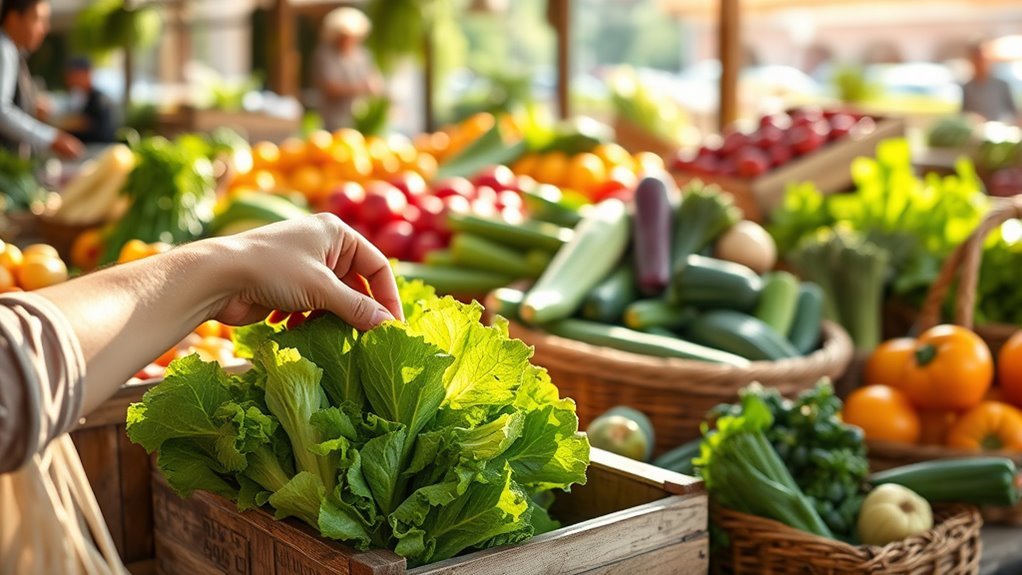
If you want to reduce your plastic intake, start by choosing fresh, unpackaged fruits and vegetables. Unpackaged foods help you avoid plastic packaging that often contains harmful chemicals like phthalates and BPA, which can leach into your food.
Choose fresh, unpackaged produce to avoid plastic packaging and harmful chemicals like phthalates and BPA.
Buying produce in bulk and using reusable cloth bags also cuts down on your reliance on single-use plastic produce bags. Skip pre-washed or pre-cut options since they usually come in plastic containers that increase your chemical exposure.
Opting for organic or locally sourced foods often means less plastic packaging, too. When it comes to meats and cheeses, wrapping them in wax paper instead of plastic wrap further limits your contact with plastic-related chemicals.
These simple choices can notably reduce the plastic you consume daily. It’s easier than you think to make these small changes!
Use Glass, Steel, or Silicone for Food Storage
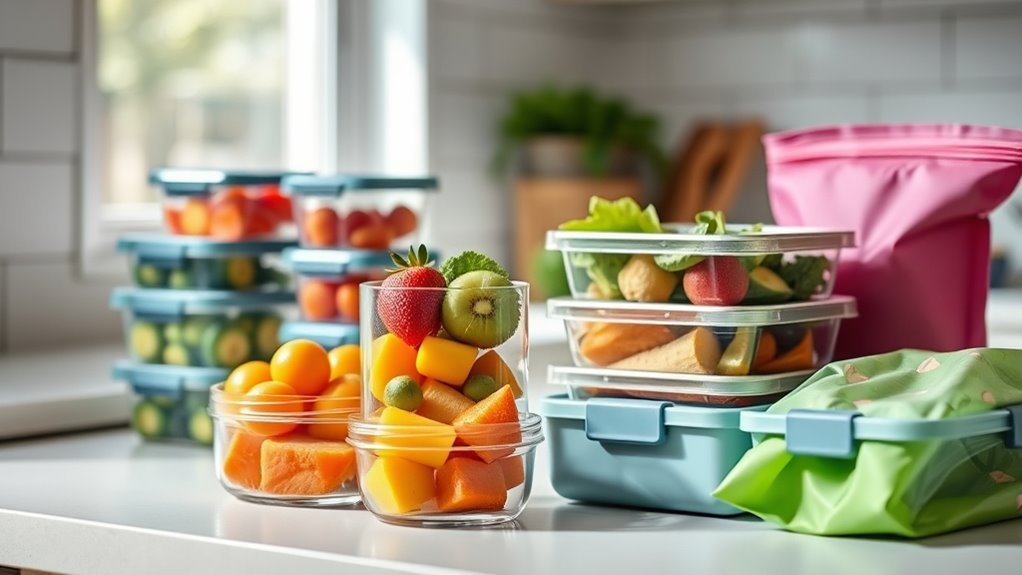
Choosing glass, steel, or silicone containers for storing your food keeps harmful chemicals like BPA and phthalates out of your meals. Unlike plastic, these materials are non-porous, so they don’t break down or cause chemical leaching over time.
Glass and stainless steel containers are durable and can handle heating and cleaning without releasing toxins. Silicone offers flexible, heat-resistant options that are free from plastics linked to chemical leaching.
By switching to these materials for food storage, you considerably reduce your exposure to harmful plasticizers. Glass containers also let you see your food clearly, while steel adds sturdy protection.
Silicone’s flexibility makes it easy to store all sorts of items. Choosing these alternatives over plastic helps keep your food safer and lowers your plastic intake.
Don’t Heat Food in Plastic Containers
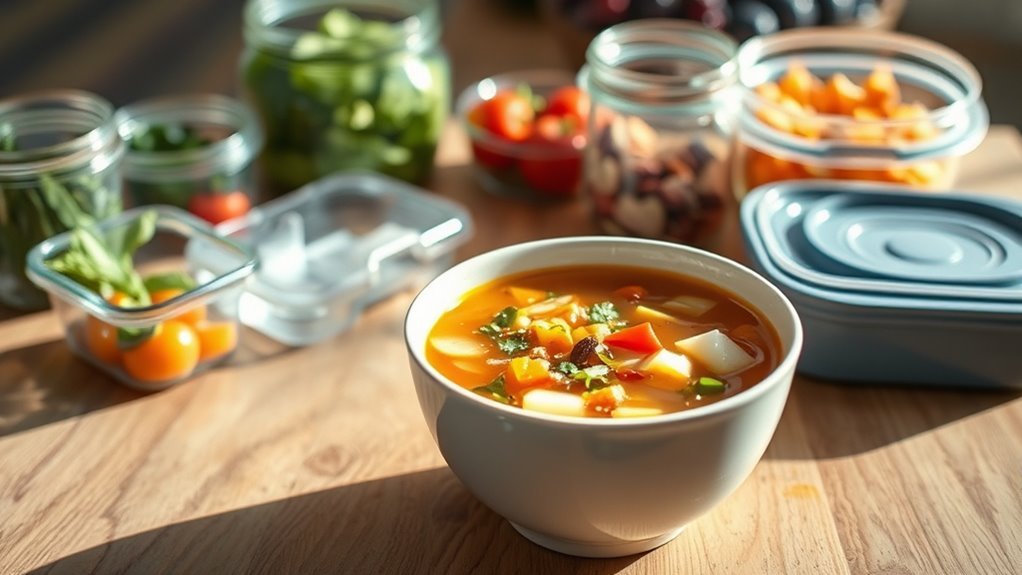
You shouldn’t heat food in plastic containers because heat makes harmful chemicals like BPA and phthalates leach into your food. Always check for microwave-safe labels before using plastic in the microwave.
To stay safe, use glass or stainless steel containers when reheating your meals. It’s a simple switch that can make a big difference.
Heat Increases Chemical Leaching
When you heat food in plastic containers, chemicals like BPA and phthalates can leach into your meal, considerably increasing your exposure. Heating accelerates the breakdown of plasticizers, making harmful chemical leaching much more likely.
Studies show microwaving plastic can raise leaching levels by up to 55 times compared to room temperature storage. To cut your risk, always transfer hot food to glass, ceramic, or stainless steel containers before heating.
Avoid plastics with recycling codes 3, 6, or 7, as they pose higher chemical risks. It’s better to be safe and steer clear of heating food in those types of plastics.
| Plastic Type | Heating Risk Level | Recommended Action |
|---|---|---|
| Code 3 | High | Avoid heating |
| Code 6 | High | Avoid heating |
| Code 7 | High | Avoid heating |
| Others | Lower | Use caution, transfer food |
Use Microwave-Safe Alternatives
Although many plastic containers claim to be microwave-safe, heating food in them can still release harmful chemicals like BPA and phthalates into your meal. This is especially true if the containers are scratched or worn.
To reduce chemical leaching, try to avoid microwaving food in plastic containers, especially those with recycling codes 3, 6, and 7. These types are more prone to releasing toxins.
Instead, go for microwave-safe alternatives like glass, ceramic, silicone, or stainless steel dishes. These materials don’t break down under heat, which helps keep your food safer.
Even if plastic containers are labeled microwave-safe, it’s a good idea to replace them regularly. Over time, damage can increase chemical leaching.
Avoid Fast Food and Packaged Snacks
Since fast food and packaged snacks often contain high levels of plasticizers like phthalates, cutting back on them can substantially reduce your exposure to harmful chemicals. Fast food meals frequently come wrapped in plastic or handled with plastic gloves, which can transfer plastic chemicals such as BPA and phthalates to your food.
Packaged snacks are usually stored in plastic wrappers or containers that may leach microplastics and harmful chemicals, especially when heated or stored long-term. To minimize your intake of plastic chemicals, focus on eating fresh, unpackaged foods and whole, minimally processed options.
Avoiding fast food and packaged snacks not only cuts down your exposure to plastic-derived chemicals but also encourages healthier eating habits that benefit your overall well-being. So, choosing fresh and natural foods is really a win-win!
Drink Tap Water Instead of Bottled Water
You can protect your health by choosing tap water, which usually contains fewer microplastics than bottled water. Drinking tap water also cuts down on plastic waste, helping reduce pollution and environmental damage.
Plus, using a reusable bottle saves you money compared to constantly buying bottled water. It’s a simple switch that benefits both you and the planet!
Health Benefits of Tap
Why choose tap water over bottled water? Drinking tap water offers clear health benefits, especially when it comes to reducing your intake of microplastics. Bottled water often contains nearly twice as many microplastics as tap water, which can affect your health over time.
Plus, tap water in many countries is strictly regulated to meet safety standards, often making it cleaner and safer than some bottled options. To maximize these benefits, consider these tips:
- Use a high-quality filter to remove microplastics and contaminants
- Choose reusable metal or glass bottles to avoid plastic leaching
- Trust the rigorous testing standards tap water undergoes
- Save money while protecting your health by drinking tap water
Switching to tap water is a smart, health-conscious choice. Give it a try—you might be surprised how easy and beneficial it is!
Environmental Impact Reduction
Switching to tap water not only benefits your health but also drastically cuts down on plastic pollution. Bottled water contains twice as many microplastic particles as tap water, so choosing tap water reduces your plastic intake.
Using reusable bottles made of metal or glass further prevents plastic leaching and microplastic ingestion linked with single-use plastics. Plus, filtration systems can remove microplastics and chemicals, making your tap water safer.
Every plastic bottle you avoid means less plastic waste and less environmental pollution from production and disposal processes. By drinking tap water, you actively lower your contribution to plastic pollution and help protect ecosystems from harmful plastic debris.
It’s a simple change that makes a big impact on reducing plastic waste in the environment. Just switching up what you drink can really help!
Cost Savings Explained
Choosing tap water over bottled water can save you up to $1,000 a year. Bottled water costs about 2,000 times more per gallon than tap water, so switching is a smart move for your wallet.
By using a reusable water bottle and filtering tap water, you cut monthly expenses and reduce plastic waste. Plus, you minimize exposure to microplastics often found in bottled water.
Consider these benefits:
- Save money through significant cost savings annually
- Lower your plastic waste footprint by hundreds of bottles
- Use a reusable water bottle to avoid single-use plastics
- Improve health by reducing microplastic consumption
Making this switch not only benefits your budget but also supports a cleaner planet. It’s a win-win all around!
Carry Reusable Water Bottles to Reduce Plastic Use
When you carry a reusable water bottle made from stainless steel or glass, you cut down considerably on plastic waste compared to relying on single-use plastic bottles. Reusable water bottles last for years, so you won’t need to buy plastic bottles frequently. This helps reduce plastic use and its environmental impact.
Filling your bottle with tap water also lowers plastic consumption. Plus, it limits your exposure to microplastics often found in bottled water. Many reusable bottles keep drinks cold or hot for hours, making them a convenient and practical choice.
Replace Plastic Kitchen Tools With Safer Alternatives
Because plastic kitchen tools can shed microplastics into your food, it’s best to replace them with safer alternatives like wood, stainless steel, or silicone. These materials reduce microplastic shedding and help keep your meals cleaner.
Plastic kitchen tools can release microplastics, so opting for wood, stainless steel, or silicone keeps your food cleaner.
You can start by swapping out plastic items for more durable options that don’t degrade over time. Here’s how to make your kitchen safer:
- Use wooden or bamboo cutting boards instead of plastic ones.
- Choose stainless steel or silicone utensils like spatulas and tongs.
- Replace plastic measuring cups and mixing bowls with glass, ceramic, or stainless steel.
- Regularly inspect any remaining plastic kitchen tools and replace those showing wear or cracks.
Use HEPA Vacuums to Cut Household Plastic Dust
Although microplastics are nearly invisible, you can substantially reduce their presence in your home by vacuuming regularly with a HEPA filter vacuum. HEPA vacuums capture particles as small as 0.3 microns, effectively trapping microplastics and plastic-related household dust that shed from furniture, carpets, and floors.
By using a HEPA vacuum in high-traffic areas, you cut down on harmful plastic fibers and chemicals like phthalates and bisphenols lingering in your indoor air. For even better results, open windows while you vacuum to improve airflow and prevent dust from recirculating.
Regularly vacuuming with a HEPA vacuum not only lowers your exposure to invisible microplastics but also helps maintain a cleaner, healthier home environment. It’s a simple step that can make a big difference.
Choose Personal Care Products Free of Phthalates and Bisphenols
You should check ingredient lists carefully to spot hidden chemicals like phthalates and bisphenols in your personal care products. Choosing fragrance-free soaps, lotions, and shampoos can help you avoid these harmful additives.
Opting for products labeled phthalate-free and bisphenol-free reduces your exposure to plastic-related chemicals. It’s a simple step that can make a big difference for your health.
Identify Hidden Chemical Ingredients
When choosing personal care products, pay close attention to labels and ingredient lists to avoid hidden chemicals like phthalates and bisphenols. These substances often hide under unfamiliar names, so reading ingredient lists carefully is key to protecting your health.
Look out for diethyl phthalate (DEP) and other phthalate variants listed in ingredient lists. Also, watch for BPA derivatives or bisphenols that aren’t clearly labeled as BPA-free.
Keep an eye on vague terms like “fragrance” because they may conceal chemical ingredients. Don’t forget to check packaging details too — safer materials or plastic alternatives can make a big difference.
Opt For Fragrance-Free Options
Since phthalates often hide in scented personal care products, choosing fragrance-free options helps you avoid these harmful chemicals. Phthalates, commonly used as solvents in fragrances, can be absorbed through your skin or inhaled, disrupting hormones and posing health risks.
Many products labeled “unscented” still contain phthalates, so look specifically for those marked “phthalate-free” to ensure safety. Opting for fragrance-free soaps, shampoos, and cosmetics cuts your exposure to these chemicals considerably.
Always read ingredient labels carefully to avoid phthalates and bisphenols lurking in personal care items. By choosing fragrance-free personal care products, you reduce your contact with plastic-related toxins.
It’s a simple but effective step toward eating less plastic and protecting your health.
Take Action: Support Policies and Brands Reducing Plastic Use
Although individual actions matter, supporting policies and brands that actively reduce plastic use can create a much bigger impact. You can help drive plastic reduction by backing initiatives that promote safer, eco-friendly packaging and chemical safety.
Supporting policies and brands that reduce plastic use amplifies our impact toward safer, eco-friendly packaging and chemical safety.
Here’s how you can take action:
- Support legislation banning single-use plastics and encouraging reusable, biodegradable packaging.
- Choose brands committed to using sustainable materials and transparent about their packaging.
- Advocate for policies requiring companies to phase out harmful chemicals like BPA and phthalates in food packaging.
- Participate in community campaigns promoting plastic reduction and recycling programs.
Frequently Asked Questions
What Are the Three Microplastic Foods to Avoid?
You should avoid canned foods like peaches and salmon, dairy products such as yogurt and milkshakes, and fast foods like chicken nuggets and burgers. These often contain microplastics from packaging and processing, increasing your exposure.
Do Ziploc Bags Give off Microplastics?
Imagine opening a torn Ziploc bag like peeling paint—yes, they release microplastics when you use or heat them. You’re unknowingly ingesting tiny plastic particles that can contaminate your food over time.
What to Eat to Flush Out Microplastics?
You should eat high-fiber foods like whole grains and legumes to help flush out microplastics. Drink plenty of filtered water, and include antioxidant-rich fruits and leafy greens to support your body’s natural detox processes.
What Are Some Tips for Reducing Plastic Consumption?
Cut plastic out like a bad habit: use glass or stainless steel containers, skip microwaving plastics, sip tap water from a metal bottle, choose fresh produce over packaged, and back community efforts to ban single-use plastics.
Conclusion
You hold the power to cut plastic out of your life like a sharp knife slicing through clutter. By choosing fresh foods, safer storage, and cleaner personal care products, you’re not just protecting yourself—you’re guarding the planet.
Every small change adds up, so drink tap water, skip fast food, and support brands fighting plastic pollution. It’s easier than you think to make these swaps, and they really do make a difference.
Together, we can turn the tide on plastic and create a cleaner, healthier future for all. Eating less plastic isn’t just a personal win—it’s a step toward reducing plastic waste, protecting oceans, and promoting sustainability. So let’s embrace these simple tips from Consumer Reports, reduce our plastic footprint, and help build a world where plastic pollution is a thing of the past. We’ve got this!