Gutter guards help keep leaves and debris out of your gutters while letting water flow freely, making maintenance easier but not eliminating it. According to Consumer Reports, micro mesh guards work best to maintain water flow and prevent clogs. These guards can definitely reduce the amount of cleaning you need to do, which is a big plus.
That said, gutter guards still face issues like tar buildup, moss growth, and heavy leaf clogs that can block water flow. They don’t fully stop maintenance or risks like damage during storms.
So, while they make life easier, they’re not a perfect solution.
If you want to understand the limits and real-world challenges of gutter guards, there’s definitely more to uncover. Knowing what to expect helps you make smarter choices about protecting your gutters and home.
Key Takeaways
- Gutter guards help keep leaves and debris out of your gutters, which means you won’t have to clean them as often. But don’t expect them to completely eliminate maintenance.
- Micro mesh guards, like LeafFilter, tend to do the best job at keeping water flowing smoothly compared to solid covers. They let water through while keeping most debris out.
- These guards definitely make water flow better and make upkeep easier. Still, they can get gunked up with tar or moss over time.
- If you have a lot of heavy leaves or organic debris, gutters can still get clogged even with guards installed. It’s not a perfect fix.
- Consumer Reports points out that gutter guards don’t stop all maintenance from being necessary. Plus, they often overlook real-world issues like storm damage and wear that happens over the years.
What Gutter Guards Do and What Consumer Reports Says About Them
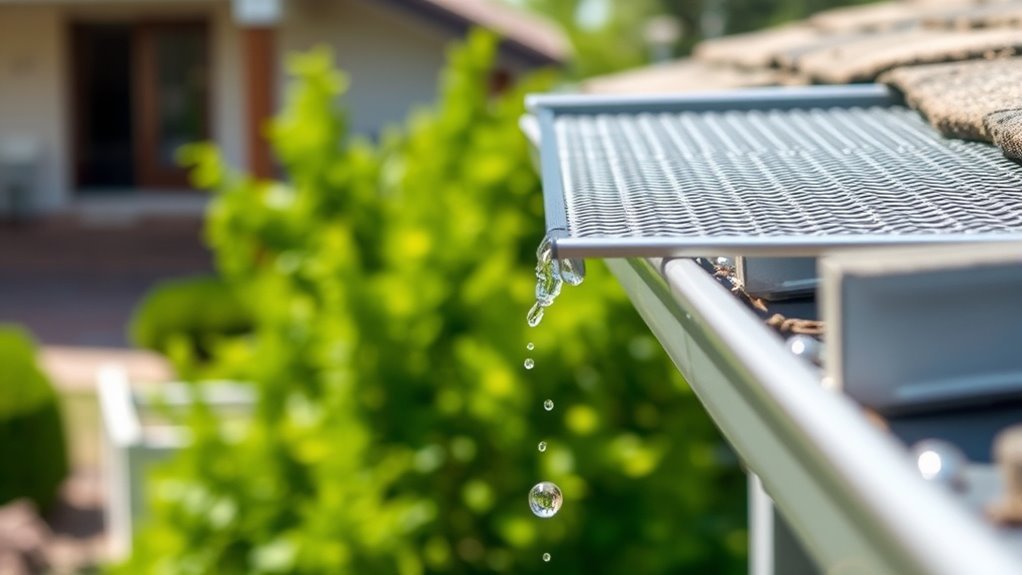
What exactly do gutter guards do, and how effective are they according to Consumer Reports? When you get gutter guards installed, they help keep leaves, debris, and organic matter out of your gutters. This reduces how often you need to clean them.
Consumer Reports mainly tested micro mesh and solid cover guards. They found that micro mesh types like LeafFilter and GutterGlove Pro perform best at maintaining water flow.
However, they noted some pros and cons. Problems like tar buildup and moss growth can still clog your gutters, especially in areas with heavy leaf accumulation.
While gutter guards can improve water flow and ease maintenance, Consumer Reports reminds you that these devices don’t completely eliminate the need for gutter upkeep. So, keep that in mind when planning your home improvement.
What Consumer Reports Overlooks: Real-World Gutter Guard Issues and Limitations

While Consumer Reports provides useful insights on certain gutter guards, it doesn’t capture the full picture of how these products perform over time in everyday settings. You might find that real-world issues like tar buildup, moss growth, and clogging from organic debris aren’t addressed.
If you have professionally installed gutters or Seamless Gutters, these problems can cause damage to your home, especially during storms when guards may dislodge. Also, CR overlooks maintenance difficulty and excludes many types, limiting its scope.
Here’s a quick overview to help you decide if gutter guards are worth it for your home:
| Issue | Impact on Gutters Installed | Consumer Reports Coverage |
|---|---|---|
| Tar/Moss Buildup | Causes clogging | Often overlooked |
| Storm Dislodgement | Damage risk | Rarely mentioned |
| Maintenance Difficulty | Frequent complaint | Minimally covered |
| Product Variety | Many types excluded | Limited testing |
| Long-term Wear | Reduced effectiveness | Not consistently tested |
Frequently Asked Questions
What Are the Worst Gutter Guards According to Consumer Reports?
The worst gutter guards, according to Consumer Reports, are ones that trap debris and moss, clog easily, become dislodged in storms, or are hard to clean. You’ll want to avoid those to keep gutters flowing smoothly.
What Do Roofers Say About Gutter Guards?
Roofers say you should choose gutter guards suited to your climate and have them professionally installed. They warn some types clog easily, and while guards reduce cleaning, you won’t eliminate gutter maintenance entirely.
What Are the Downsides of Using Gutter Guards?
Gutter guards aren’t a silver bullet; they still let small debris through, can trap moss, and might blow off in storms. You’ll still need to clean occasionally, and some designs can even invite wasp nests or safety hazards.
What Are the Best DIY Gutter Guards According to Consumer Reports?
You’ll find that affordable DIY mesh and screen gutter guards rank best, handling heavy debris well. Just remember, some need regular cleaning to avoid clogs, so pick and install them carefully for lasting protection.
Conclusion
So, you might think gutter guards are the perfect solution, right? Consumer Reports gives you the basics, but what about those unexpected clogs or tricky installations they barely mention?
Before you rush to buy, remember: real-life gutters aren’t always so simple. You’ll want to dig a little deeper and know what you’re really up against.
Because once you do, you might see gutter guards in a whole new light. Understanding how gutter guards work and their limitations can save you time and money. It’s not just about keeping leaves out—sometimes debris still sneaks in, and installation can be more complicated than expected.
So, if you’re considering gutter guards, take a closer look at both the benefits and the challenges. That way, you’ll make a smarter choice and keep your gutters flowing smoothly all year round.