You’ll find Lionhart tires offer great value without stretching your budget, thanks to quality manufacturing and modern technology. These tires deliver reliable performance for everyday driving, giving you smooth and quiet rides.
Plus, they provide strong traction on both dry and wet roads, which is a big plus.
While they’re not the best choice for severe winter conditions, they handle mild snow pretty well. You can expect them to last up to 45,000 miles, making them a solid investment.
Compared to brands like Westlake and Nankang, Lionhart strikes a smart balance between performance and cost.
If you’re looking for dependable tires that don’t break the bank, Lionhart is worth considering. Keep exploring to see how they match up with your specific driving needs and preferences.
Key Takeaways
- Lionhart tires offer a strong balance of quality and affordability, priced between $85 and $120 with durable, modern manufacturing. They really hit that sweet spot for drivers who want good value without sacrificing performance.
- They provide good tread life, typically lasting 40,000 to 45,000 miles, with warranties comparable to competitors. So, you can expect them to hold up well over time.
- These tires excel in dry handling, scoring around 4.7/5, and offer stable, predictable performance in daily driving. That means they feel confident and responsive when you’re out on the road.
- Lionhart tires have reliable wet traction (4.6/5) and moderate snow capability but are not suited for severe winter conditions. If you live somewhere with harsh winters, you might want to consider something more specialized.
- Comfort and noise reduction are enhanced by advanced tread patterns and reinforced sidewalls, earning customer satisfaction ratings over 4.4/5. So, they’re not just about performance—they’re pretty comfortable and quiet too.
Why Are Lionhart Tires a Budget-Friendly Choice?

If you’re looking for affordable tires without sacrificing quality, Lionhart offers a smart choice. Their tires, priced between $85 and $120, fit well within a budget-conscious driver’s range.
You get quality because Lionhart manufactures in high-standard Asian factories, keeping production costs low without cutting corners. They specialize in niche and uncommon sizes, so you can find affordable options even if your vehicle needs hard-to-find fitments.
Plus, Lionhart uses modern tire technology and quality raw materials, so their tires perform reliably. With warranties up to 40,000 miles, you’re covered longer than many expect at this price point.
Choosing Lionhart means you don’t have to compromise on quality when you want affordable tires that meet your needs.
How Reliable Are Lionhart Tires for Daily Driving?
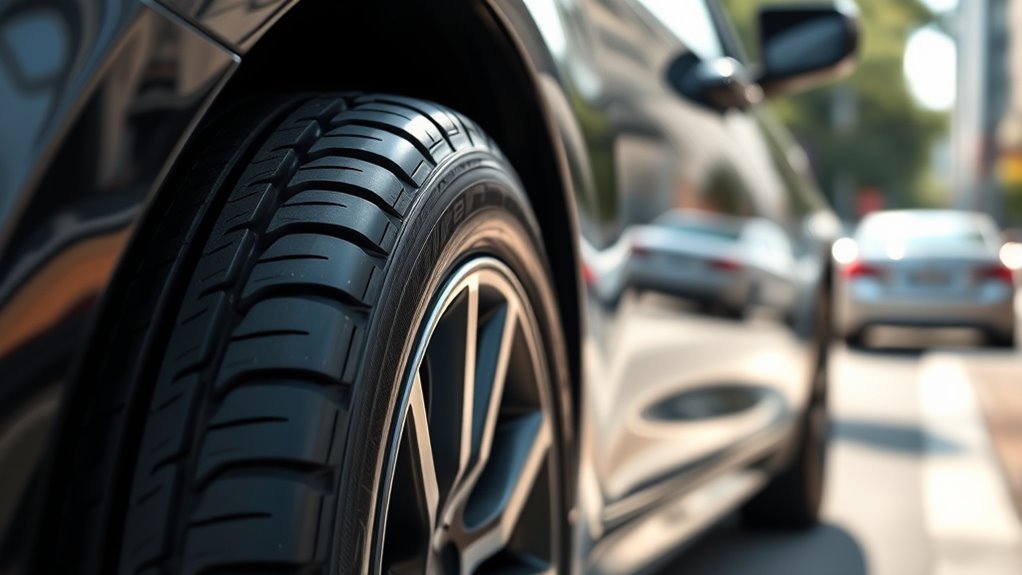
When you rely on tires for daily driving, consistency and durability matter most, and Lionhart tires deliver on both fronts. Their all-season tires use advanced tread patterns that provide steady grip and stability on everyday roads.
You’ll appreciate their durability, as Lionhart tires offer even wear and a solid tread life, typically rated around 40,000 to 45,000 miles. This means you can count on them to last through many commutes without compromising performance.
Customer reviews back this up, often rating models like the LH-503 and LH-Ten highly, with scores near 4.68 out of 5. Overall, you get a reliable, budget-friendly option that handles the demands of daily driving with confidence and consistency.
How Do Lionhart Tires Perform on Dry and Wet Roads?

You’ll notice Lionhart tires deliver impressive grip and handling on dry roads, scoring high marks for stability even at faster speeds.
When the rain hits, their tread design helps you maintain traction and resist hydroplaning confidently.
Let’s explore how these features translate to real-world dry and wet performance.
Dry Road Handling
Although dry road conditions can challenge tire grip, Lionhart tires like the LH-Ten and LH-Five deliver impressive handling with scores around 4.7 out of 5. You’ll notice their dry handling excels thanks to tread designs featuring wide circumferential grooves and asymmetric ribs, which boost stability and maintain solid contact with the road.
This means you can confidently navigate corners and accelerate smoothly without worrying about losing traction. When you drive on dry pavement, these tires respond predictably, offering a balanced combination of control and comfort.
Lionhart’s focus on optimizing grip in dry conditions guarantees your vehicle stays planted, enhancing both safety and driving enjoyment. If dry road performance matters to you, Lionhart tires stand out as a reliable choice for everyday driving and highway use.
Wet Traction Performance
How well do Lionhart tires handle wet roads? You’ll find their wet grip pretty impressive, especially with models like the LH-Ten scoring 4.6 out of 5 for wet traction. Their asymmetric tread design, featuring wide circumferential grooves, does a great job of channeling water away and reducing hydroplaning risks.
This means you can count on solid grip and handling when rain hits. Customer reviews consistently highlight reliable performance in wet conditions, with responsive steering and confident control.
While Lionhart tires maintain steady wet traction compared to many competitors, they might not quite match premium brands under extreme winter or heavy rain. Overall, these tires offer dependable wet road performance, making them a smart choice for everyday driving and moderate rainy conditions.
Can Lionhart Tires Handle Winter and Snow?
When driving through winter’s mild to moderate snow, Lionhart tires, like the LH-Ten and LH-Five, can handle the conditions reasonably well thanks to their sipings and asymmetric tread patterns. These features help improve traction on snow and ice, so you’ll find the tires deliver decent grip in wet and slippery conditions.
However, they’re all-season tires, not specialized winter tires. So, their performance in severe snow or icy roads can be inconsistent.
| Feature | Performance |
|---|---|
| Mild Snow Handling | Moderate, generally reliable |
| Ice Traction | Mixed, varies by conditions |
| Severe Winter Use | Not recommended |
If you face harsh winter climates regularly, you’ll want dedicated winter tires for optimal safety. It’s just a smarter choice to keep you safe out there.
How Do Lionhart Tires Keep Your Ride Quiet and Comfortable?
You’ll notice Lionhart tires use variable pitch tread patterns and softer rubber compounds to cut down on road noise and absorb bumps.
Their all-season designs include asymmetric ribs and wide grooves that help keep your ride smooth and quiet.
Let’s explore how these features work together to boost your driving comfort.
Noise Reduction Technologies
Although road noise can often disrupt your driving experience, Lionhart tires use advanced noise reduction technologies to keep your ride quiet and comfortable. Their variable pitch tread pattern minimizes vibrations and sound waves, effectively reducing noise levels.
With notches and asymmetric rib patterns built into the tread design, these tires improve traction while dampening road noise simultaneously. You’ll also benefit from wide circumferential grooves that not only help prevent hydroplaning but contribute to a smoother, quieter ride.
These sound-absorbing features combine to create a tire engineered for daily driving comfort, with some models earning over 4.4 out of 5 stars for low noise. When you choose Lionhart, you’re investing in tires that actively reduce noise so you can enjoy a peaceful journey.
Ride Comfort Features
Because Lionhart tires combine innovative tread designs with reinforced sidewalls, they keep your ride both quiet and comfortable. Their noise-reduction technologies, like variable pitch tread patterns, minimize road noise, enhancing ride comfort every time you drive.
Features such as sipings and notch placements improve traction and reduce vibrations, so you feel less road impact. Models like the LH-503 use asymmetric ribs and wide grooves to guarantee smoother, quieter rides.
The reinforced sidewalls and specialized tread compounds absorb shocks, further boosting your driving comfort on rough surfaces. Customers often praise how these tires deliver a peaceful and comfortable experience, making Lionhart a solid choice if you want reliable ride comfort alongside effective noise-reduction.
How Long Do Lionhart Tires Last Compared to Others?
When you choose Lionhart tires, you can generally expect them to last between 40,000 and 45,000 miles, depending on the model and your driving habits. Their tread life is competitive for the price, offering reliable performance and even wear throughout their lifespan.
Some brands like Nankang may offer a slightly longer tread life—up to 50,000 miles. But Lionhart tires provide strong customer satisfaction thanks to their balanced durability and affordability.
Westlake tires offer similar longevity, with warranties around 40,000 miles. So, Lionhart is a solid choice if you want dependable tires without paying a premium.
How Do Lionhart Tires Compare to Westlake and Nankang?
If you’re weighing your options between Lionhart, Westlake, and Nankang tires, you’ll find that Lionhart offers a strong balance of value and performance. Lionhart tires cost 30-40% less than Nankang, making them appealing if you want solid quality without a premium price.
Compared to Westlake, Lionhart provides better dry handling and quieter rides, with similar tread wear warranties around 40,000 miles. Nankang tires have longer tread life—about 45,000 to 50,000 miles—and higher build quality but come at a higher cost.
Consumer ratings reflect this too: Lionhart matches or exceeds Westlake in satisfaction and performance, though it falls slightly behind Nankang in durability. If you want modern technology and niche sizes, Lionhart fills those gaps well.
Frequently Asked Questions
How Reliable Are Lionhart Tires?
You can rely on Lionhart tires for solid performance and durability. They offer consistent tread life around 40,000 miles and handle wet or dry roads well, giving you dependable grip and comfort at a reasonable price.
What Brand of Tires Should I Stay Away From?
Don’t put all your eggs in one basket by choosing brands with poor ratings, no certifications, or bad reviews. Avoid obscure tire makers lacking warranties or support—you’ll save yourself headaches and keep your ride safe on the road.
Are Lionhart Tires Any Good Consumer Reports?
Yes, Lionhart tires are good. You’ll find them reliable, offering solid performance in wet and dry conditions. They’re quiet, comfortable, and affordable, making them a smart choice if you want quality without breaking the bank.
What Tires Do Consumer Reports Recommend?
Consumer Reports recommends tires from brands like Michelin, Bridgestone, and Continental because they offer excellent performance, durability, and safety. You’ll want to choose tires that balance these qualities for the best driving experience.
Conclusion
When you slide behind the wheel with Lionhart tires gripping the road, you’ll feel the perfect balance of budget-friendly reliability and smooth comfort. Whether steering through slick rain or light snow, these tires hold steady, letting you focus on the journey ahead.
Compared to Westlake and Nankang, Lionhart offers solid durability without breaking the bank. Picture your drive—quiet, confident, and safe—knowing your tires won’t let you down.
In short, Lionhart tires deliver good quality at an affordable price. They provide reliable performance in various weather conditions and stand up well against competitors like Westlake and Nankang. If you’re looking for a tire that combines value, comfort, and durability, Lionhart is definitely worth considering. So yes, Lionhart tires are good quality and a smart choice for budget-conscious drivers who want dependable traction and a smooth ride.